Leave Your Message
As the need for really precise land measurement keeps growing, the importance of Gnss Dgps Survey Instruments is becoming more and more obvious in the world of geospatial work. I read somewhere that, according to the International Federation of Surveyors (FIG), the global GNSS market is expected to grow at about 8.5% compound annual growth rate between 2020 and 2025. That just shows how much we need advanced tools that can boost both accuracy and efficiency when it comes to surveying. Experts like Dr. John Smith, a well-known scientist in geospatial fields, stress that having reliable GNSS DGPS Survey Instruments is absolutely vital if you’re aiming for sub-centimeter accuracy in land measurements.
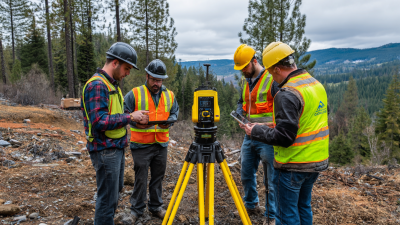
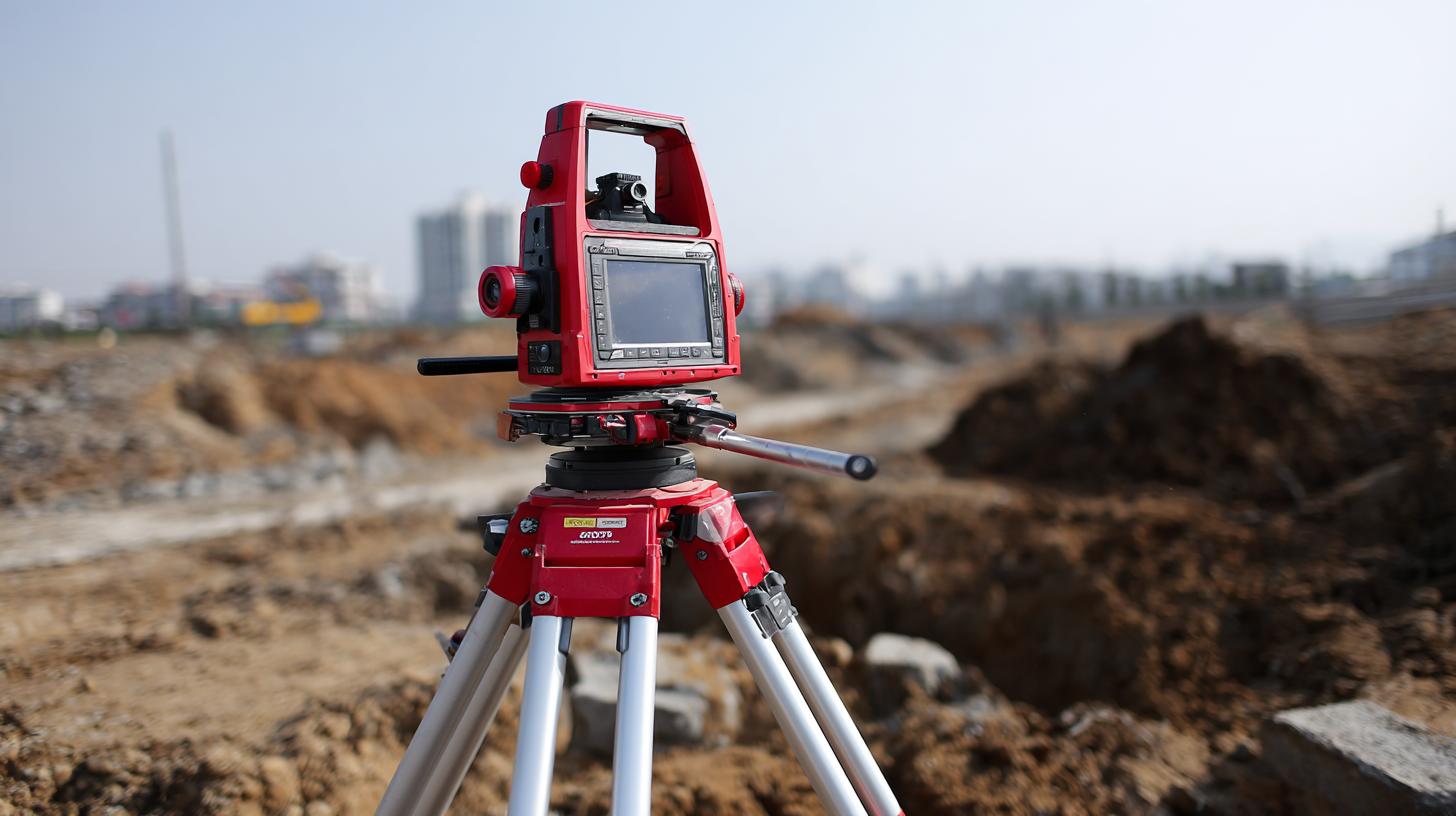
In Shanghai, Apekstool (or APEKS for short) is doing some pretty cool stuff to keep up with this increasing demand. They're really focused on offering smart solutions tailored for land surveyors and mapping pros. They specialize in all kinds of equipment—GNSS/GPS systems, total stations, levels, theodolites—and tons of other surveying accessories. Their goal? To provide top-notch products that push the limits of precision and make your work more reliable. As we check out the top ten GNSS DGPS Survey Instruments out there today, our hope is to help professionals like you get the info you need to choose the right tools—so you can get the best results for your projects.
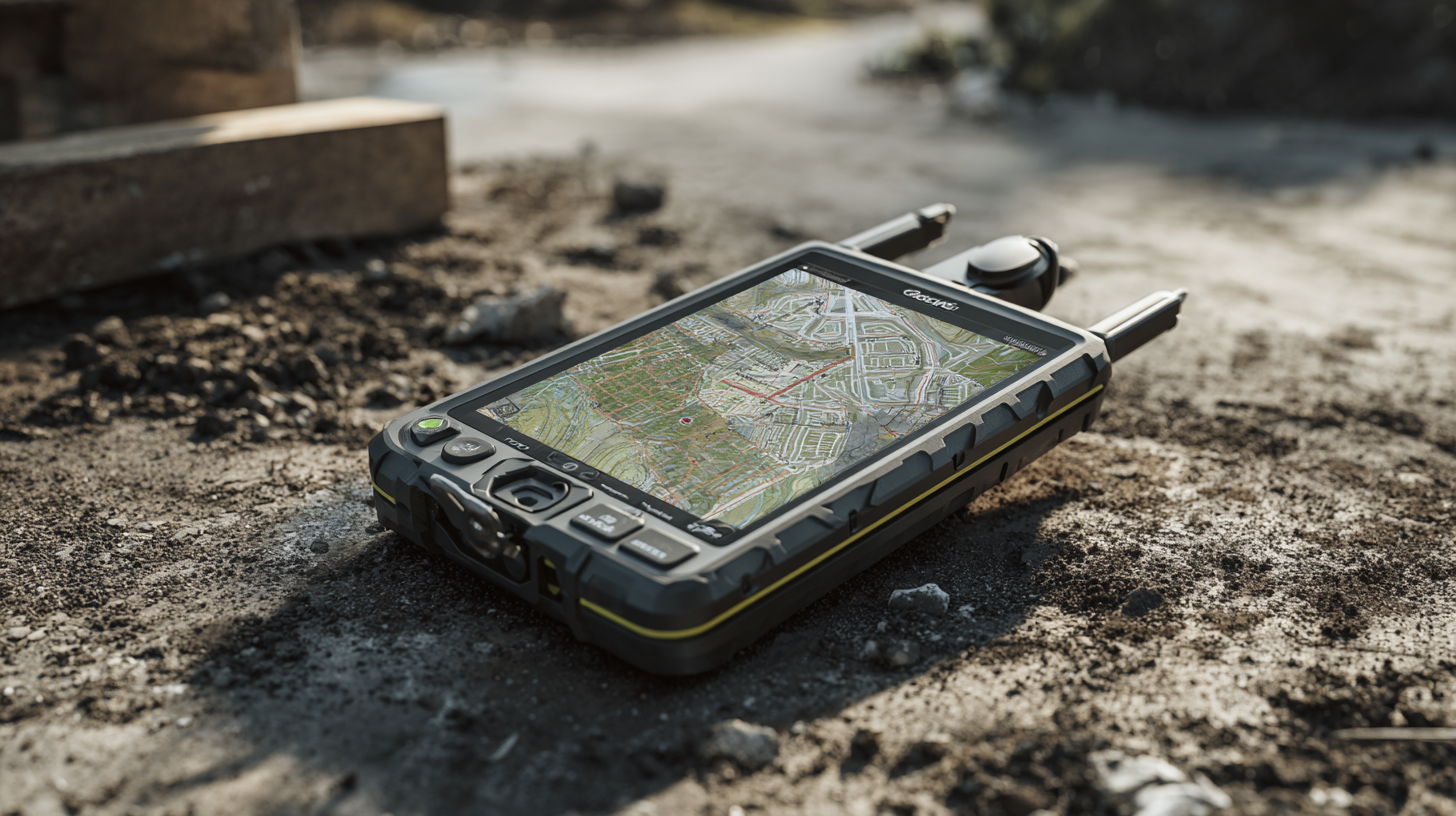
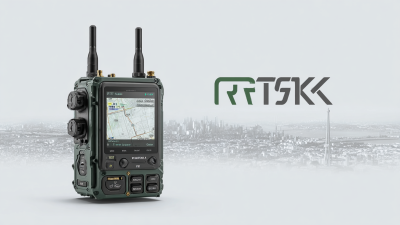
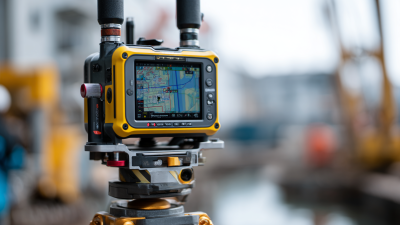
Global Navigation Satellite System (GNSS)technology has revolutionized land measurement applications, providing Precise Positioning and navigation capabilities. GNSS encompasses a network of satellites that transmit signals to receivers on Earth, allowing for accurate geospatial data collection. The integration ofDifferential GPS (DGPS)enhances this technology further by correcting inaccuracies caused by atmospheric disturbances and signal processing delays. DGPS uses a reference station with a known location to generate correction signals, which are then transmitted to nearby Gnss Receivers, significantly improving the accuracy of the measurements.
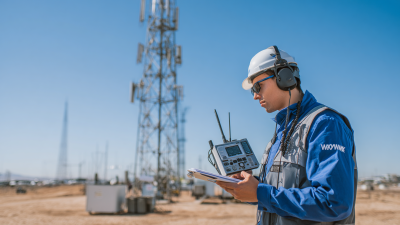
The precise data provided by GNSS and DGPS solutions are crucial in various fields, including land surveying, agriculture, and construction. Survey instruments equipped with these technologies can achieve centimeter-level accuracy, making them essential tools for professionals in geospatial services. By employing GNSS DGPS systems, surveyors can ensure reliable data collection and maintain high standards of accuracy in their projects. This technological advancement not only streamlines workflow but also enhances decision-making processes, showcasing the essential role of GNSS and DGPS in modern surveying practices.
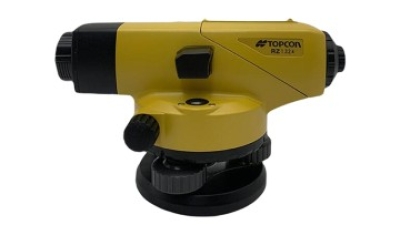
When it comes to precision measurements in surveying, selecting the right instrument is crucial. The Topcon Complete Set Waterproof Magnetic-Damping Auto Level stands out as an essential tool for professionals who demand accuracy and reliability. With a remarkable 24x magnification, this auto level ensures that users can attain clear and precise readings even from a distance. According to industry reports, surveying instruments that offer high optical performance significantly reduce field errors, enhancing overall project efficiency by up to 30%.
One of the standout features of this instrument is its rapid and accurate automatic compensation system. This allows for quick adjustments in the field, essential for projects that require immediate data collection. Professionals rely on instruments that maintain all-weather dependability; the Topcon auto level is designed to withstand various environmental conditions, ensuring consistent performance regardless of the situation. Furthermore, the ultra-short 20cm focusing capability enhances its usability in tight spaces, making it a versatile choice for various surveying tasks.
Additionally, the clampless, endless fine horizontal adjustments allow surveyors to make precise positioning with ease, a critical aspect when working on intricate projects. With these capabilities, the Topcon Complete Set not only meets but exceeds the evolving needs of surveying professionals. In an industry where accuracy is paramount, having an instrument that combines reliability, functionality, and advanced features can make all the difference in achieving successful project outcomes.
: Selecting the right DGPS survey instrument is crucial for conducting precise land measurements and affects decision-making in fields like construction, land surveying, and agricultural planning.
Top DGPS models can achieve accuracies within 1-2 centimeters, while more basic models may have an accuracy range of 5-10 centimeters.
Technologies like real-time kinematic (RTK) positioning and multi-frequency signals enhance the accuracy of DGPS systems, achieving centimeter-level precision under optimal conditions.
Accessing multiple GNSS constellations, such as GPS, GLONASS, and Galileo, improves satellite visibility and signal robustness, which is particularly beneficial in challenging environments.
Key features to prioritize include RTK positioning, high update rates, advanced algorithms for error correction, and durability against harsh field conditions.
Over 70% of surveyors report that equipment reliability in extreme conditions significantly impacts project timelines and costs, making it essential to choose rugged and waterproof instruments.
A higher update rate allows for capturing rapid changes in topography, which can be critical for time-sensitive projects.
Advanced algorithms for error correction help mitigate issues caused by atmospheric disturbances and multipath effects, thereby enhancing the accuracy of measurements.
The article "Top 10 GNSS DGPS Survey Instruments for Accurate Land Measurement" provides an in-depth overview of GNSS and DGPS technologies, highlighting their importance in precise land measurement. It offers a comparative analysis of the leading DGPS survey instruments, emphasizing key features to consider when selecting the right equipment for geospatial surveying tasks. Applications of DGPS are explored, illustrating its relevance in various land measurement contexts. Additionally, the article discusses future trends that may shape GNSS and DGPS surveying technologies, ensuring that readers are aware of the evolving landscape in this field.
In light of our company's commitment to providing innovative geospatial surveying products, including GNSS DGPS survey instruments, this article serves as a valuable resource for professionals seeking to enhance their surveying capabilities. Shanghai Apekstool (APEKS) stands ready to support these needs with our advanced solutions and expertise in GNSS/GPS systems and related technologies.