You know, the world of geospatial surveying is changing faster than ever, and if there's one thing that stands out right now, it's the need for precision and efficiency. I mean, with the new Rtk Software coming into play, it’s really shaking things up for surveyors and geospatial pros alike. They can now achieve accuracy within just a centimeter when it comes to positioning, which is pretty impressive! And get this—industry reports say the global market for RTK technology is on track to hit around$1.7 billion by 2026. That surge is fueled by advancements in GNSS applications and a growing need for super accurate mapping solutions.
Over at Shanghai Apekstool (APEKS), we're all about pushing the envelope, offering some cutting-edge geospatial surveying and mapping tools to meet all sorts of client needs, whether it’s GNSS/GPS systems, total stations, or even custom software. We really pride ourselves on our commitment to excellence, making sure every project we touch is backed by top-notch RTK software that enhances performance and delivers great results across a variety of applications.
Understanding RTK Technology and Its Importance in Precision Applications
You know, RTK (Real-Time Kinematic) tech has really shaken things up when it comes to precision in a bunch of industries like farming, construction, and surveying. By tapping into GNSS (Global Navigation Satellite System) signals and some pretty sophisticated algorithms, RTK achieves this incredible centimeter-level accuracy in positioning. A report from ResearchAndMarkets even mentions that the global RTK market is set to boom, potentially hitting around $1.25 billion by 2025. A lot of this growth is thanks to the rising interest in precision farming and smart construction solutions, which is pretty cool, right?
What’s really neat about RTK technology is how it boosts operational efficiency and cuts down on errors. Take agriculture, for example—RTK systems make it possible for farmers to plant and cultivate with pinpoint precision, helping them get the most out of their resources and ultimately, their crop yields. There’s a study from the American Society of Agronomy that shows using RTK guidance can ramp up productivity by as much as 30%! That’s a serious payoff for anyone in farming. And it’s not just limited to agriculture; in civil engineering, using RTK software can make workflows a lot smoother, reduce the chance of having to redo work, and keep everything in line with regulations. All of this adds up to quicker project timelines and lower costs, which is a big win in any field.
Key Features to Look for in Top RTK Software Solutions
So, when you're on the hunt for the Best Rtk (Real-Time Kinematic) software to really boost your performance, there are a few important features you definitely want to keep in mind. First off, the software should have a user-friendly interface—trust me, that can make a world of difference in cutting down training time and getting things running smoothly. You also need solid data management capabilities. Being able to quickly store, analyze, and retrieve your data? Yeah, that can really change the game when it comes to how effective your workflows are overall.
Another thing to think about is whether the software can work with different Gnss Receivers. You want something that can easily integrate with multiple hardware options, giving you the flexibility and scalability you need as your projects grow. Plus, real-time monitoring features are super handy—they’ll give you insights into how your RTK system is performing, so you can make adjustments on the fly if needed.
**Tips:** Make sure to check out the customer support services, too. A responsive support team can be a lifesaver when you run into technical hiccups. And don’t forget to look for software that provides regular updates; staying on top of the latest tech advancements is key. Lastly, tapping into community forums or user groups tied to the software can be a treasure trove of tips and best practices. Seriously, don’t overlook that!
Innovative Solutions for Enhanced Performance with the Best RTK Software - Key Features to Look for in Top RTK Software Solutions
| Feature | Description | Importance Level | User Rating (out of 5) |
| Real-Time Kinematics (RTK) | Provides Precise Positioning data with centimeter-level accuracy. | High | 4.8 |
| User-friendly Interface | An intuitive UI that facilitates ease of use for all skill levels. | Medium | 4.6 |
| Multiple GNSS Support | Compatibility with various Global Navigation Satellite Systems. | High | 4.7 |
| Cloud Integration | Allows for data storage and processing in the cloud for easy access. | Medium | 4.3 |
| Offline Functionality | Full features available even without internet connection. | Medium | 4.5 |
| Integration with Drones | Seamless communication with drone systems for aerial mapping. | High | 4.9 |
Comparative Analysis of Leading RTK Software with Industry Benchmarks
You know, there's been quite a boom lately in the demand for super-precise positioning systems, and it's really shining a light on just how important Real-Time Kinematic (RTK) software has become across various fields like farming and construction. When you look into it, some of the big names in RTK software—like Trimble, Leica Geosystems, and Topcon—aren't just about making things run smoother; they’re actually setting a high bar for the whole industry. A report from ResearchAndMarkets even suggests that the RTK tech market is expected to grow at a pretty impressive rate of 18.4% from 2021 to 2026. This surge is mainly driven by better software features and the growing demand for accurate data collection, which we all know is super crucial these days.
If we dive into some of the numbers, Trimble's RTK system is something else. It offers accuracy levels of just 1-2 centimeters—way better than the 5-centimeter average you’d see in many other applications. Plus, there's this cool case study in the International Journal of Precision Agriculture that found folks using these advanced RTK systems cut down their operational costs by 30% and boosted their yield efficiency by as much as 20%. These figures really highlight the advantages of going for high-quality RTK software and how it fits into the ever-changing standards of the industry. In the end, it’s about making smarter decisions and managing resources better—it’s exciting stuff!
Real-World Case Studies: Enhanced Performance with RTK Software
You know, the way industries are using Real-Time Kinematic (RTK) software has really shaken things up when it comes to precision positioning and overall performance. A recent study from the International Journal of Advanced Robotic Systems found that companies that jumped on the RTK bandwagon have seen their accuracy shoot up by as much as 30% compared to the old-school GNSS solutions. This boost is a game-changer for fields like agriculture, construction, and surveying, where getting the exact location is just key to getting projects done right.
There are some great real-world examples showing just how effective RTK software can be. Take this well-known agricultural company, for instance—they reported that using RTK-guided tractors helped them manage their crop yields way better. They ended up slashing input costs by 20% while also bumping up their yield by 15%! And if we look at the construction scene, contractors using RTK for site measurements saw way less equipment downtime because they could nail down precise layouts much quicker. Plus, a survey from GeoSpatial World found that a whopping 75% of surveying pros said RTK tech has really turbocharged their workflow efficiency. Speedy project turnarounds? Yes, please! So, it’s pretty clear that RTK software is a big player in driving performance improvements and snagging cost savings across a bunch of industries.
Cost-Benefit Analysis: Investing in the Best RTK Software for Businesses
When you're thinking about rolling out the best RTK (Real-Time Kinematic) software for your business, it's super important to weigh the cost against the benefits. I mean, RTK tech really ramps up positioning accuracy, which is a game changer for areas like agriculture, surveying, and construction. These industries just live and breathe precise measurements – they’re the key to boosting productivity, cutting down on blunders, and ultimately racking up profits. If you take a good, hard look at a cost-benefit analysis, you’ll see that, sure, the upfront costs for software and training can feel like a bit of a hit to the wallet, but honestly, the long-term savings on labor and the way it ramps up efficiency often make it worth every penny.
Plus, investing in top-notch RTK software can seriously give you a leg up on the competition. Businesses that tap into accurate data using advanced software can make way smarter decisions and pivot their strategies quickly when the market shifts. Better performance doesn’t just lead to great project outcomes; it also keeps your customers happy, which means they'll keep coming back for more. Companies that leverage high-quality RTK solutions can spot potential issues before they become a headache and optimize their workflows, helping them stand out as leaders in their fields. This kind of strategic investment not only helps the bottom line but also lays a strong foundation for sustainable growth and innovation down the line.
Future Trends in RTK Software Development and Enhanced Performance Metrics
With the demand for spot-on positioning constantly on the rise, the world of RTK (Real-Time Kinematic) software is about to see some pretty amazing changes. One of the coolest trends popping up is the integration of AI and machine learning. This means that RTK systems will actually learn from past data, making them more accurate and responsive, especially in ever-changing environments. It's not just about making things easier; this shift really boosts the overall performance of RTK solutions across all kinds of industries like agriculture, construction, and surveying.
So, if you're using RTK software, here are a few tips to help you tap into these advancements. First off, make sure you keep your software updated with the latest bells and whistles. Taking the time to review your performance metrics regularly can help you pinpoint areas that could use some love, ensuring your RTK system runs like a well-oiled machine. Plus, think about investing in some training for your team on the latest tech related to RTK. It can really spark some fresh ideas and innovative ways to get things done.
And don’t forget about the growing trend towards user-friendly interfaces! As RTK software gets more advanced, developers are all about making it easier to use. This means you'll have more folks able to leverage the power of RTK technology without feeling overwhelmed. To really get the most out of these user-friendly tools, try playing around with the different features and functions until you find what best fits your specific needs.
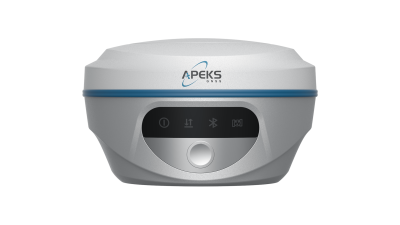
Maximizing Efficiency and Accuracy: The AP10 GNSS Receiver for Surveying and Construction Applications
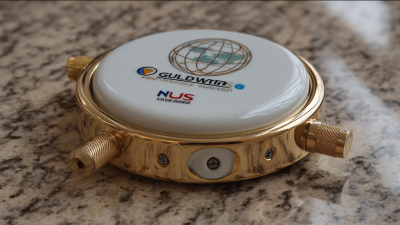
The AP10 GNSS Receiver stands out in the realm of surveying and construction applications as a powerful and cost-effective tool designed to enhance efficiency and precision. With its advanced Real-Time Kinematic (RTK) technology, the AP10 ensures that surveyors and construction professionals can achieve remarkable accuracy on any topographical challenge. Whether working in mapping, construction site assessment, or staking out projects, this receiver adapts seamlessly to varying environments, making it an invaluable asset for contractors and surveyors alike.
Engineered for productivity, the AP10 GNSS Receiver boasts cutting-edge features that streamline field operations. Its robust design and reliable connectivity mean that users can count on consistent performance, even in the most demanding conditions. This reliability is crucial for maintaining workflow efficiency, allowing teams to complete projects on time and within budget. With the AP10, professionals can confidently tackle complex surveying tasks, knowing they have the right technology to support their efforts. By maximizing both efficiency and accuracy, the AP10 GNSS Receiver is the ideal choice for those looking to elevate their surveying and construction capabilities.
FAQS
: RTK (Real-Time Kinematic) technology is a positioning technique that uses GNSS (Global Navigation Satellite System) signals and advanced algorithms to achieve centimeter-level accuracy in various applications.
RTK technology enhances operational efficiency in agriculture by facilitating precise planting and cultivation, optimizing resource use, and potentially increasing crop yields by up to 30%.
RTK technology is being utilized across multiple industries, including agriculture, construction, and surveying, to improve precision and efficiency.
The future of RTK software is expected to see the integration of AI and machine learning, which will enhance the systems' accuracy and responsiveness in dynamic environments.
Users can maximize their RTK system's performance by keeping their software updated, regularly reviewing performance metrics, and investing in team training on emerging RTK technologies.
The global RTK market is projected to grow to approximately $1.25 billion by 2025, driven by a rising demand for precision farming and smart construction solutions.
Developers are focusing on creating user-friendly interfaces that simplify complex tasks, making RTK technology more accessible to a wider range of users.
RTK users are encouraged to experiment with different features and functionalities of their software to find the best practices that suit their unique requirements.